

Photo by Jenna Hamra on Pexels
Fueling the body, resetting the system, and creating space to thrive.
In a world of constant input—food, stress, stimulation—sometimes the most powerful thing we can do is simplify.
Eat cleaner.
Eat less often.
Give the body space to do what it was designed to do.
At Swell Retreats, we see nutrition not just as fuel, but as a tool for energy, clarity, and long-term vitality. Two approaches that often come up in this conversation are the ketogenic diet and water fasting.
Both can be powerful.
Both require awareness.
And both work best when approached with intention—not extremes.
The Ketogenic Diet: Becoming Fat-Fueled
The Ketogenic Diet (or “keto”) is built around a simple idea: shift your body from burning sugar to burning fat.
By significantly lowering carbohydrate intake and increasing healthy fats, your body enters a state called Ketosis, where fat becomes your primary fuel source.
Why it matters for longevity:
- Stable energy levels (less blood sugar spikes and crashes)
- Improved metabolic flexibility
- Reduced inflammation
- Potential support for brain health and clarity
For surfers and active lifestyles, this can translate into more sustained energy in the water and fewer energy dips throughout the day.
Water Fasting: The Ultimate Reset
Water fasting—consuming only water or water based drinks without calories for a period of time—is one of the oldest healing practices known to humans.
When done correctly, it can trigger a process called Autophagy—where the body begins to clean out damaged cells and regenerate new ones.
Potential benefits:
- Cellular repair and renewal
- Improved insulin sensitivity
- Digestive system reset
- Mental clarity and discipline
But this is where awareness matters most.
Fasting isn’t about punishment or pushing limits—it’s about creating space for the body to restore.

Photo by Patrick Porto on Pexels
The Overlap: Why People Combine Them
Keto and fasting naturally complement each other.
When your body is already fat-adapted through keto, fasting becomes:
- Easier
- More stable
- Less stressful on the system
Instead of relying on constant glucose intake, your body taps into stored energy—making the transition into fasting smoother and more sustainable.
A Word of Caution (This Matters)
While both approaches can support longevity, they are not one-size-fits-all.
Things to consider:
- Your activity level (especially if you’re surfing regularly)
- Hormonal balance
- Stress levels
- Medical conditions
For example, extended fasting combined with intense physical output can sometimes lead to elevated stress hormones or unstable blood sugar. In this case, taking electrolytes or having bone broth during the fast can be a game changer. Also, extremes aren’t really required – for some people, a 3 day water fast gets you 90% of the benefits of a 5 day water fast.
More isn’t better. Better is better.
A Sustainable Approach
At Swell Retreats, we believe in longevity through balance (or ‘pono’), not extremes.
Instead of going all-in, consider:
- A lower-carb, whole-food approach instead of strict keto
- Regular intermittent fasting (12–16 hours) and extended fasts couple of times a year
- Listening to your body’s energy, not forcing a protocol
The goal isn’t restriction.
The goal is alignment.
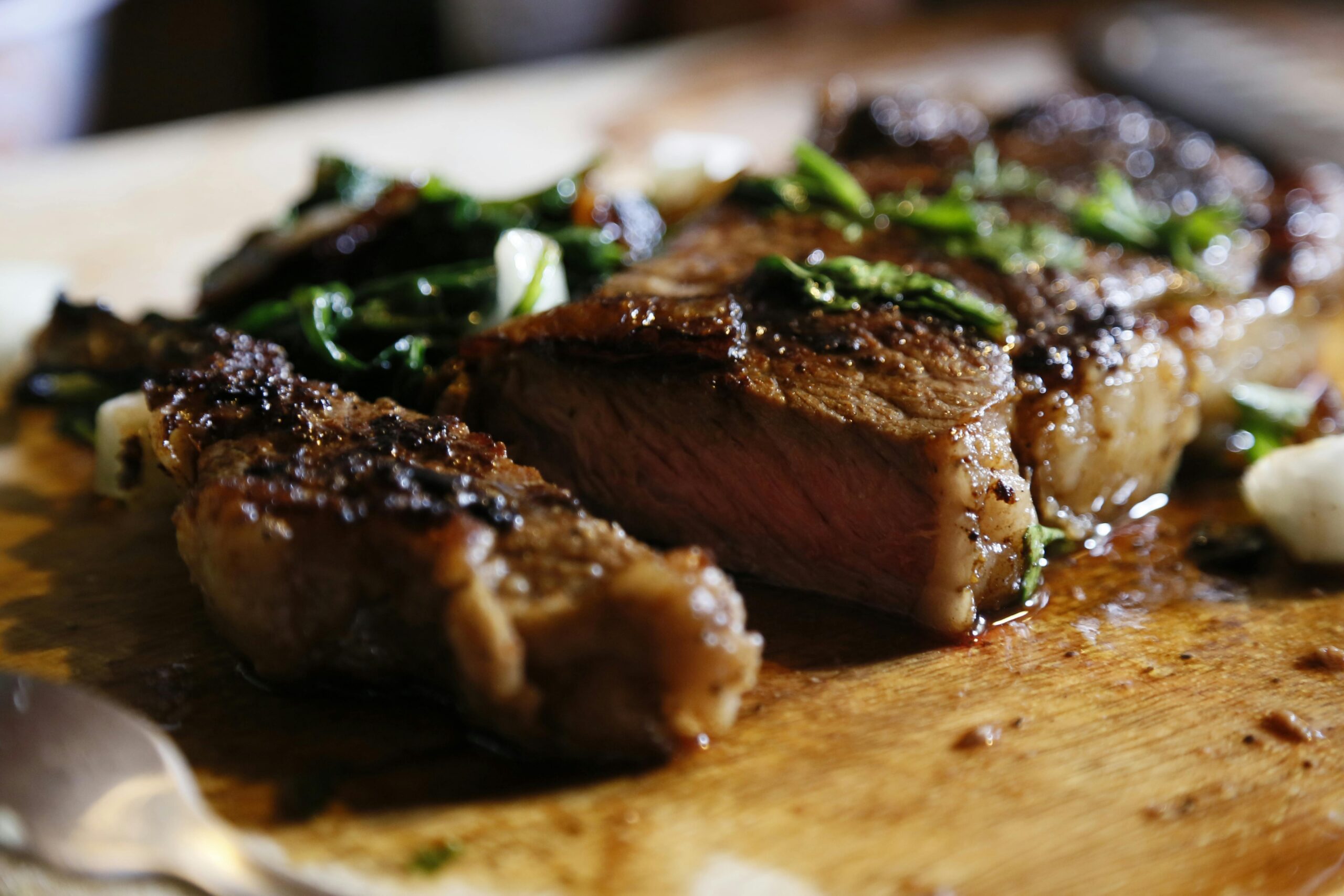
Photo by Aaron Johnson on Pexels
The Deeper Connection
There’s something powerful that happens when you simplify both food and mind.
You become more aware.
More present.
More connected to your body.
Just like sitting in the ocean between sets—there’s a reset that happens when you stop constantly consuming and start allowing.
Final Thoughts
Longevity isn’t about chasing the next trend.
It’s about creating a way of living that supports energy, clarity, and resilience over time.
The Ketogenic Diet and water fasting can both be tools on that path—when used with intention, respect, and awareness.
Start slow.
Stay curious.
Pay attention.
Because your body will always tell you what it needs—if you’re willing to listen.



Leave a reply